
Automation evolves continuously. So does the safety challenge around it
Robot payloads change. AMR fleets expand. New cells are added. Every change creates a new interface with a specific safety requirement that must be addressed before the system goes live. ISO 10218-2:2025, the Machinery Directive and Regulation (EU) 2023/1230 define what is required, but meeting those requirements in a constantly evolving facility demands a safety partner who stays involved as it changes, not one who delivers and moves on.
When safety is designed in, the site performs at its best
In a correctly specified automated facility, the guarding is part of the architecture. The fixing system matches the robot payload. Maintenance access is designed for the teams who need it. The technical file is complete before commissioning begins. The result: full throughput, fast maintenance, clean audits. Safety and performance are not in tension. With Troax, they never are.
The safety infrastructure inside world's complex automated & robotic systems
- Over 70 years of industrial safety expertise including decades of specialized experience in automation and robotics environments
- Smart Fix, Rapid Fix and Strong Fix — TÜV-certified to 2,100, 1,600 and 12,000 joules respectively
- ISO 9001, ISO 45001 and ISO 27001 certified
- Local presence in over 40 countries
- Teams who understand your market, your regulations and your operational environment
- Modular systems designed for live installation around operational schedules, shift patterns and continuous throughput
Our full portfolio for automation and robotics environments
-
 Explore Warehousing & Storage : Warehousing & Storage
Warehousing & Storage
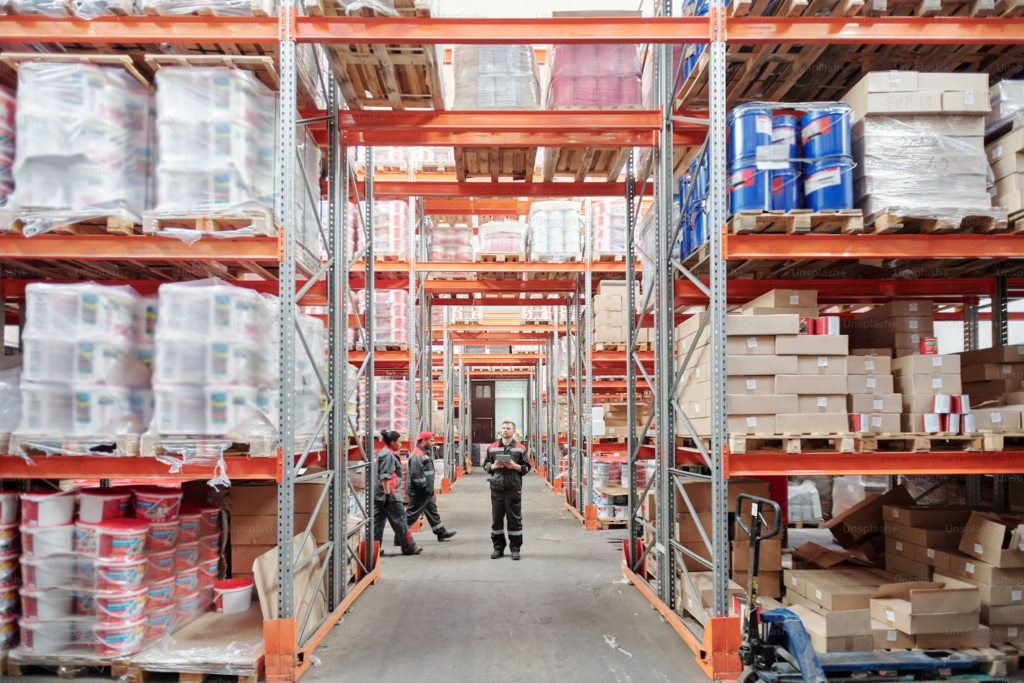
When forklifts, pedestrians and vehicles share the same floor, the absence of physical structure produces collisions, near-misses and serious injuries every day across…
-
 Explore category 1 : Category 1
Category 1
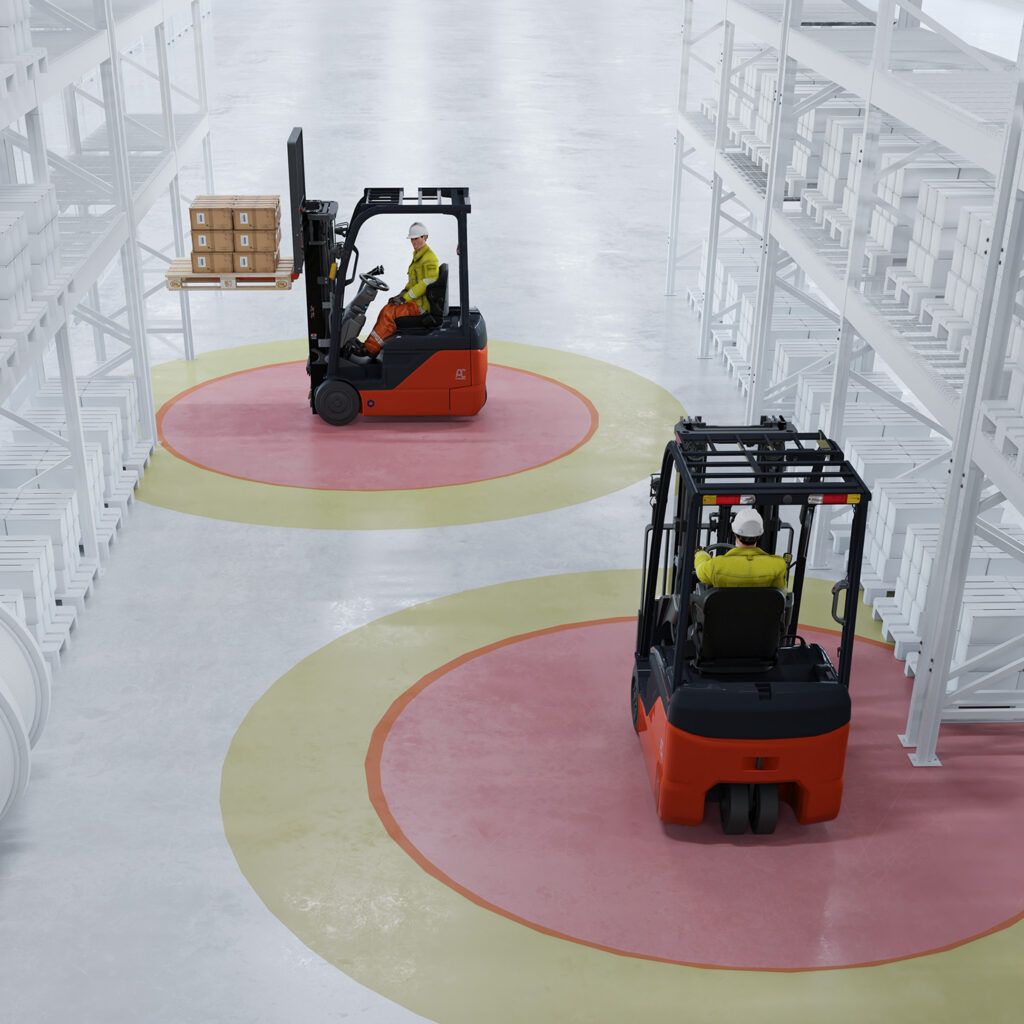
When forklifts, pedestrians and vehicles share the same floor, the absence of physical structure produces collisions, near-misses and serious injuries every day across…
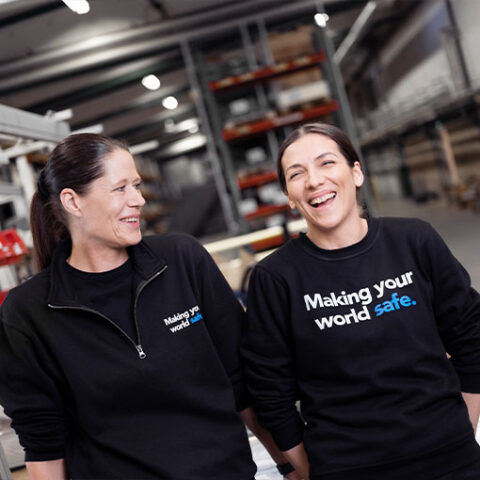
We stay involved
In automation and robotics, every change to the system creates a new safety requirement.
Left unaddressed, those requirements compound, and the cost of closing the gap grows with every iteration. Our local teams in over 40 countries know your system, understand your compliance obligations and are there before the question becomes a problem. Not reactive support. Ongoing partnership
FAQ
Smart Fix suits most standard robot cells — a robust, tool-operated fixing system for reliable, compliant guard retention. Rapid Fix is designed for cells with frequent maintenance access — captive fixings that remain attached to the panel when removed, speeding up the process while maintaining the tool-operated requirement that EN ISO 14120 demands. Strong Fix is for high-energy, high-payload environments. All three comply with the Machinery Directive, maintain EN ISO 13857 safety distances and are compatible with each other within the same installation.
Smart Fix suits most standard robot cells — a robust, tool-operated fixing system for reliable, compliant guard retention. Rapid Fix is designed for cells with frequent maintenance access — captive fixings that remain attached to the panel when removed, speeding up the process while maintaining the tool-operated requirement that EN ISO 14120 demands. Strong Fix is for high-energy, high-payload environments. All three comply with the Machinery Directive, maintain EN ISO 13857 safety distances and are compatible with each other within the same installation.
Smart Fix suits most standard robot cells — a robust, tool-operated fixing system for reliable, compliant guard retention. Rapid Fix is designed for cells with frequent maintenance access — captive fixings that remain attached to the panel when removed, speeding up the process while maintaining the tool-operated requirement that EN ISO 14120 demands. Strong Fix is for high-energy, high-payload environments. All three comply with the Machinery Directive, maintain EN ISO 13857 safety distances and are compatible with each other within the same installation.
Smart Fix suits most standard robot cells — a robust, tool-operated fixing system for reliable, compliant guard retention. Rapid Fix is designed for cells with frequent maintenance access — captive fixings that remain attached to the panel when removed, speeding up the process while maintaining the tool-operated requirement that EN ISO 14120 demands. Strong Fix is for high-energy, high-payload environments. All three comply with the Machinery Directive, maintain EN ISO 13857 safety distances and are compatible with each other within the same installation.
Smart Fix suits most standard robot cells — a robust, tool-operated fixing system for reliable, compliant guard retention. Rapid Fix is designed for cells with frequent maintenance access — captive fixings that remain attached to the panel when removed, speeding up the process while maintaining the tool-operated requirement that EN ISO 14120 demands. Strong Fix is for high-energy, high-payload environments. All three comply with the Machinery Directive, maintain EN ISO 13857 safety distances and are compatible with each other within the same installation.